

The Best 5-Star Wedding Photography Melbourne
Almost everything that separates the best 5-star wedding photography Melbourne can produce from work that is simply passable is invisible on a website. It shows up in how a whole day gets covered, not in how neatly a portfolio has been curated. It shows up in how a gallery is edited, not in how a home page is designed. Most of all, it shows up in what you are actually holding six weeks after the wedding. ATEIA Photography & Video has been working on that end of the craft since 2010, across more than three thousand Melbourne weddings, and the notes below set out plainly how it happens.
The Files: What Arrives and When
You receive the complete set of high-resolution, colour-corrected images in a private online gallery designed to be scrolled on a phone just as easily as on a laptop. Nothing is released in instalments, nothing hides behind a paywall, and grabbing the whole set in one download is the normal arrangement rather than a paid extra.
A small preview usually reaches you within the first week, which covers the messages and posts that always follow a wedding. The full gallery comes next, and the date you can expect it is written down before the day rather than approximated after it. Across most of the year that means six to eight weeks; only at the height of the season does it stretch further, and you are told that at booking, not left to work it out. Albums, prints and film edits run to their own timelines, each of which is also stated in advance.
What Documentary Really Involves
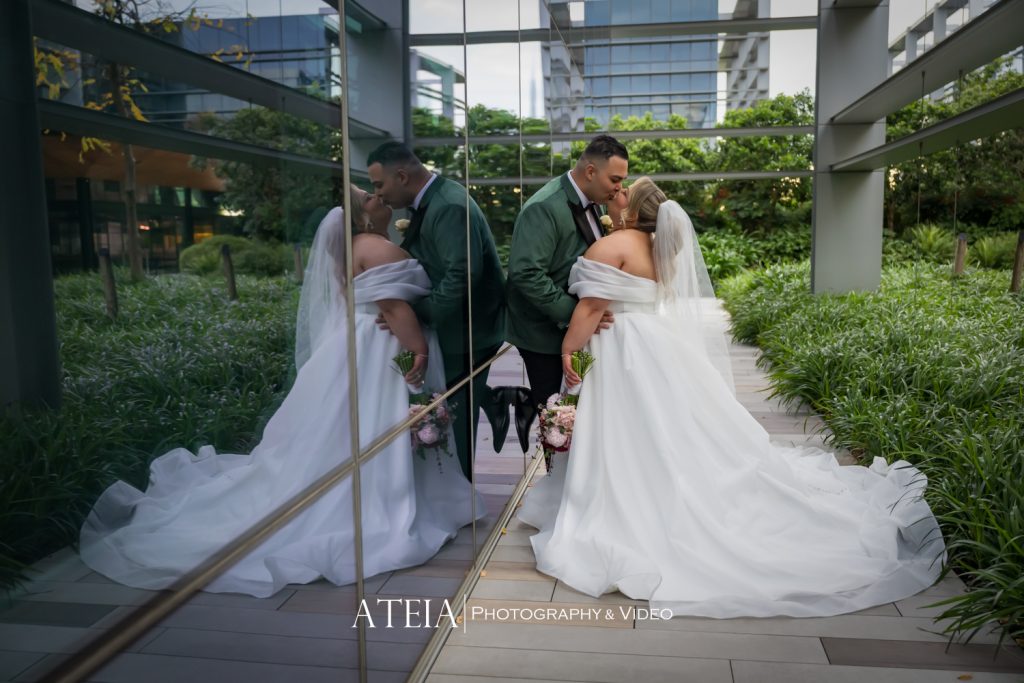
The word documentary is thrown around loosely, so it is worth being specific. Here it means that most of the day is photographed while it happens. Nothing is staged, nobody is asked to do a moment again, and no conversation is cut short so a composition can be improved. The photographer keeps moving and waiting instead of arranging.
Portraits and family groups sit outside that, because they need clear direction and pretending they do not simply yields stiff, uncomfortable pictures. Those stretches are led properly and finished quickly, then the coverage returns to observing. The combination is intentional, and it explains why a finished gallery contains both the unguarded frames and the ones relatives will ask to have printed.
Editing: The Part That Decides Everything
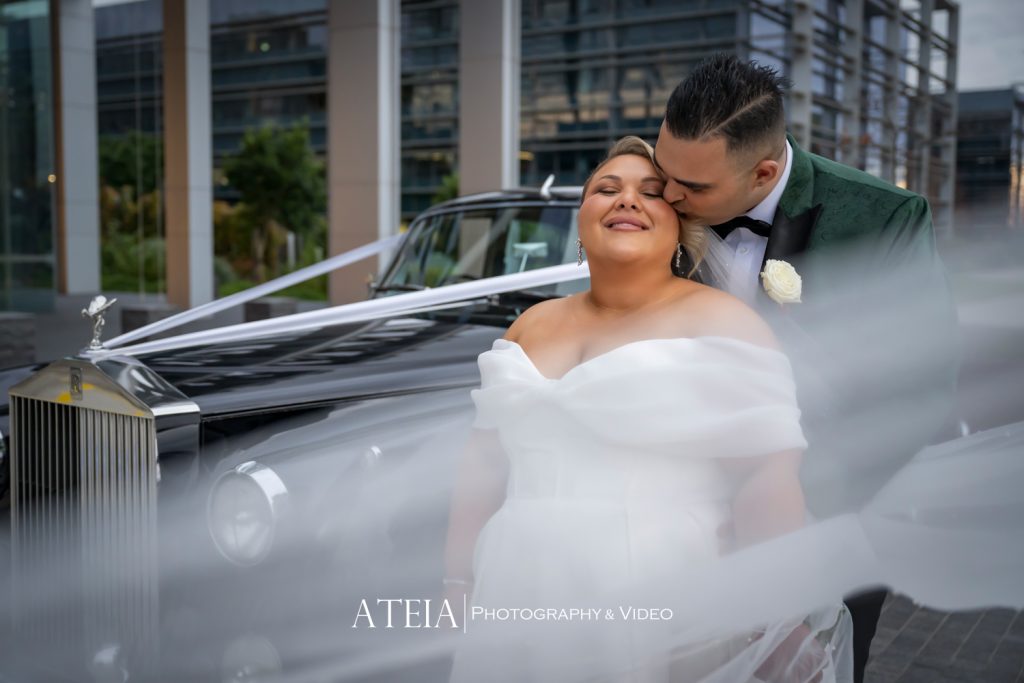
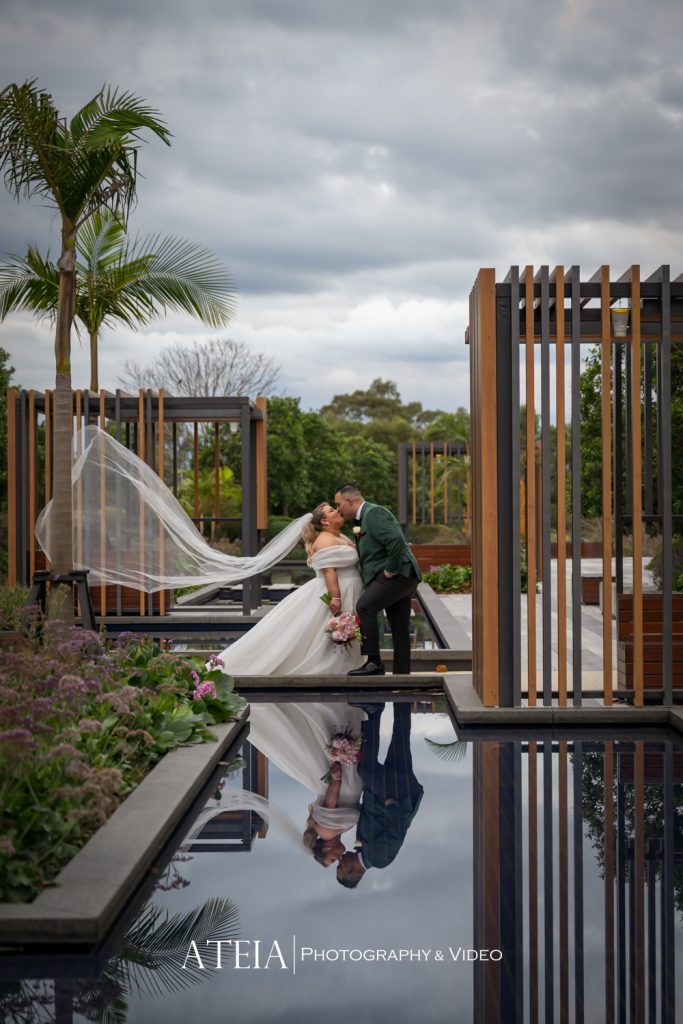
Editing gets discussed least and matters most. A single wedding travels through enormously varied light, from a dim hotel room at nine in the morning, through hard midday sun, to a reception under string bulbs. Left unedited, the result looks like four different weddings stapled together.
So every gallery is graded for consistency right across the day, holding colour and contrast steady from the opening frame to the last one. Retouching is deliberately restrained: skin should still look like skin, and a dress should still look like the dress you picked. Anything stronger is applied only when asked for, never as a default. Black-and-white conversions are made one frame at a time, for pictures that genuinely benefit, instead of being swept across a batch to inflate the count.
Stills and Film Under One Roof
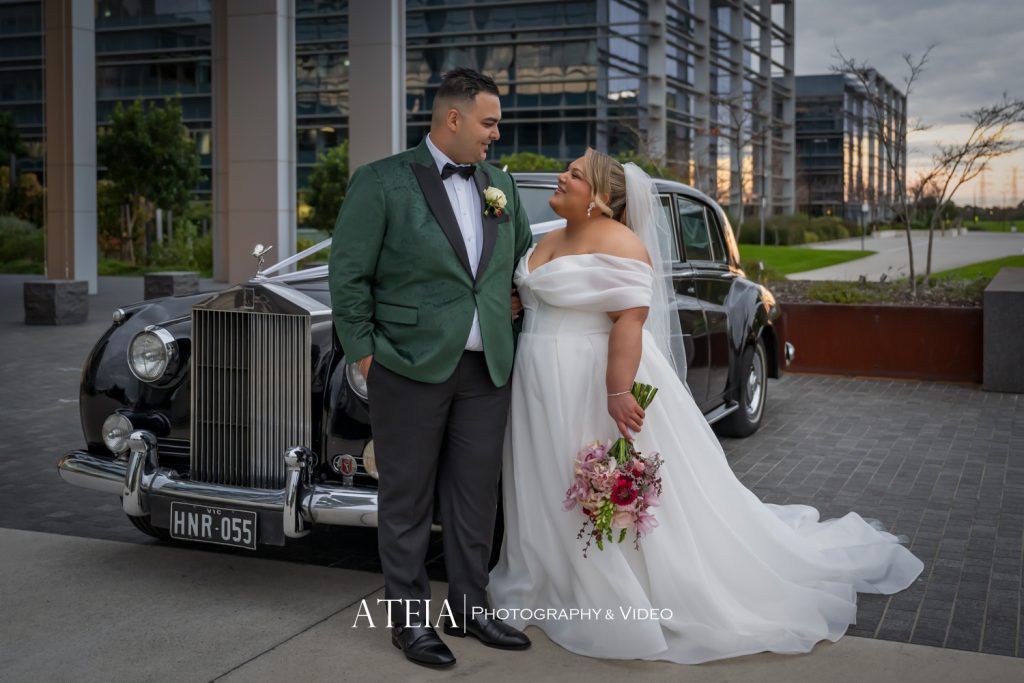
Add film and you receive a cinematic highlights edit, plus full documentary cuts of the ceremony and reception as separate pieces. The film team works beside the photographers rather than in competition with them. That sounds too obvious to be worth stating, right up until you have watched two suppliers haggle over the same three metres of aisle.
That one-team structure is a big reason couples point to this as the best wedding photography Melbourne has when stills and film both matter to them. A single brief, a single run sheet, a single point of contact, and no part of the morning wasted repeating the same timeline twice.
Albums and Prints Still Earn Their Place
A gallery is how a wedding gets shared. An album is how it gets kept. Fine art albums are hand-finished with lay-flat pages, so a double-page spread reads as one continuous image rather than two halves divided by a spine, and the paper is selected to be handled rather than looked at once and shelved.
How the images are sequenced matters as much as how they are printed. An album is edited down into a story rather than padded out to hit a page count, which normally means fewer pictures than couples expect and a considerably better book than they had in mind. Parent copies and larger prints are easy to add.
Constructing a Full Day of Coverage
A standard day begins with preparation, which is calmer and far more photogenic than most couples assume, then moves through the ceremony, family formals, couple portraits and into the reception. Each block is allotted a realistic length instead of an optimistic one. Preparation typically needs ninety minutes rather than the forty most couples pencil in, because the frames worth keeping surface only after people stop noticing the camera.
Golden hour is treated as a locked appointment rather than a nice possibility, since the quarter hour before sunset consistently yields the strongest portraits of the whole day. Everything else is built around defending that window, which is very likely the most valuable thing a photographer brings to a timeline.
Second Shooters and Drones: When They Are Worth It
A second photographer justifies its cost with a long guest list, with preparation running in two locations simultaneously, or with a ceremony space so tight that one position cannot cover the vows and the reactions at once. At a compact wedding in one venue it frequently is not required, and saying so is worth more than a sales pitch.
Aerial coverage follows identical logic. It changes a clifftop or a vineyard completely and contributes very little to a courtyard. The honest answer depends wholly on the venue, which makes it a five-minute conversation rather than an upsell.
Dim Rooms, Bad Forecasts, Difficult Venues
Melbourne serves up all of these regularly. A reception room with no windows, a church that forbids flash, a downpour twenty minutes before an outdoor ceremony: routine conditions, not emergencies, and the equipment and approach for each are decided long before the day itself.
Cloud cover and light rain reliably deliver the most atmospheric frames of an entire wedding, which is useful to know when the forecast turns grim. Indoor fallbacks are scouted in advance at every venue, so a change of plan costs a few minutes of the schedule instead of costing the portraits altogether.
The Pattern Across a Thousand Reviews
Nearly a thousand five-star reviews is a sample big enough for a pattern to emerge, and the pattern concerns the work rather than the personalities. Couples talk about galleries containing far more of the day than they realised was being photographed, and pictures of relatives it would never have occurred to them to request.
The second recurring theme is turnaround. Files arriving exactly when promised, questions still answered months later, an album ordered a year afterwards without any fuss. None of that is glamorous, and all of it is what people genuinely remember about the experience.
Assess the Photography, Not the Photographer
When you are comparing studios, ask to see two or three complete galleries rather than a highlights reel. A full day reveals whether the editing hangs together, whether awkward light was managed, and whether anyone was watching for the quiet moments. A showreel is constructed to keep precisely that hidden.
Pay closest attention to the unglamorous parts of a day: mid-afternoon, the gloomy reception, the group shot containing twenty-two people. Anyone can land a good frame at golden hour. Holding quality through everything else is the actual skill. Ask as well roughly how many frames a full day produces, since four hundred properly culled images are worth more than twelve hundred that nobody bothered to sort.
Building the Day Around the Light
Most of what makes a gallery succeed is decided weeks beforehand, in a conversation about where the hours will land. Family groupings invariably overrun, the drive between a city ceremony and the reception can quietly eat the best light of the evening, and a schedule anchored to sunset instead of convenience is what safeguards the portraits.
A pre-wedding planning session comes at no charge for exactly that reason. It covers getting-ready timings, ceremony mechanics, which family combinations you want and where the portraits will be made, so nothing important is still being resolved on the morning.
Start With Galleries, Then Have the Conversation
Choosing the best wedding photography Melbourne has available gets a great deal simpler once you stop reading descriptions and start studying complete weddings. Ask for the galleries, look closely at the hardest light, and work out whether a whole day holds up rather than the best ten minutes of it.
If you want to see full galleries shot at your venue, or talk through the date and the shape of the day, ATEIA Photography & Video is an easy place to begin. Peak Saturdays disappear early in a Melbourne season, so getting in touch sooner simply leaves more of them available to you.
[/fusion_text][/fusion_builder_column][/fusion_builder_row][/fusion_builder_container]


